
Happy holidays 🎄 Before the “new year, new me” pressure ramps up, this felt like a good moment to slow down and talk about money in a way that actually works. Consider this a low-pressure check-in before 2026 hits us in full force.
Here’s what’s inside:
P.S. If you want to talk through your own finances, you can book a free 1-hour coaching call here ☎️
The New Year’s resolutions that actually stick
Willpower assumes you’ll wake up every day motivated, focused, and ready to make the “right” choice. Systems assume you’re human who get tired, distracted and busy. And they’re built to work anyway.
A system doesn’t ask “Will I feel like doing this?”
It asks “What happens by default?”
That’s why resolutions framed as outcomes tend to fade. “Save more.” “Be healthier.” “Get organized.” They sound good, but they don’t tell your brain what to do on a random Wednesday when nothing feels urgent. Systems do.
A system decides when something happens, where friction exists, and what happens even if you don’t think about it. Money moves on payday. Groceries are planned before the week gets busy. Bills and savings don’t rely on memory or mood.

Before setting any resolutions this year, pause and ask:
What do I want to happen without me having to remember it?
Where am I relying on motivation instead of structure?
What feels “hard” right now simply because there’s no default in place?
You don’t need a dramatic reset. You need a few quiet systems that keep working when life gets busy and give you more breathing room as the year goes on.
If saving money is one of those goals you’ve been meaning to get serious about, we can help you build systems that make it stick.
How to make gift cards actually work for you
Gift cards are everywhere this season… and that's actually great news. They're flexible, practical, and let you pick exactly what you want. But they work best when you know how to maximize them.
Quick reality check though: over one-third of Americans have lost money on gift cards through expiration, losing the physical card, or retailer closures. But that's fixable with a few smart habits.

Here's how to get every dollar:
✅ Check the fine print first. Many cards never expire, but some charge monthly fees after 12 months of inactivity. Know what you're working with.
✅ Use small balances creatively. Got $7.43 left? Add it to your next purchase, reload the card for someone else's gift, or check if your state lets you cash out balances under $10.
✅ Register it immediately. Loading your balance onto the retailer's account protects you if the card gets lost and makes tracking easier.
✅ Set a reminder. Add your gift cards to your phone or a tracking app with expiration dates.
Gift cards are free money, so don't let them slip away. With a little planning, they're one of the easiest ways to stretch your budget in 2026.
What inflation actually looked like in November 2025
November’s inflation numbers are a good example of why the headline rate rarely tells the full story.
On paper, inflation continued to cool. But in real life, many people didn’t feel much relief because the categories that stayed expensive are the ones most households can’t easily avoid.
In November, housing-related costs (rent, shelter, insurance) remained one of the biggest pressure points. Even as overall inflation slowed, these costs moved stubbornly higher, which matters because they take up a large chunk of monthly spending and don’t leave much room to “cut back.”
Food prices were mixed. Some grocery categories eased, but eating out stayed expensive, which quietly adds up especially during the holidays when routines disappear and convenience spending creeps in.
Energy and gas offered some short-term relief, but that didn’t offset the bigger, fixed costs that show up every single month. Lower gas prices feel nice; higher rent shapes your entire budget.

What you can do:
🤔 Anchor plans to fixed costs first. Rent, insurance, and utilities are still the biggest pressure points, so build everything else around those numbers and not the other way around.
🤔 Don’t expect groceries to “go back to normal.” Some categories cooled, others didn’t. Planning for slightly higher food costs (especially eating out) avoids the constant feeling of falling behind.
🤔 Treat variable relief as temporary. Lower gas or energy prices help month to month, but they’re not savings you can rely on. Avoid locking in commitments based on short-term dips.
🤔 Budget for convenience honestly. Holidays showed how quickly food delivery, last-minute purchases, and small upgrades add up. Pretending they won’t happen usually backfires.
🤔 Adjust goals, not expectations of yourself. If money felt tight despite effort, it’s likely structural, not personal. Systems matter more when costs stay sticky.
🤔 Use this as a reset point, not a stressor. November inflation is a reminder to plan realistically (not aggressively) for the year ahead.
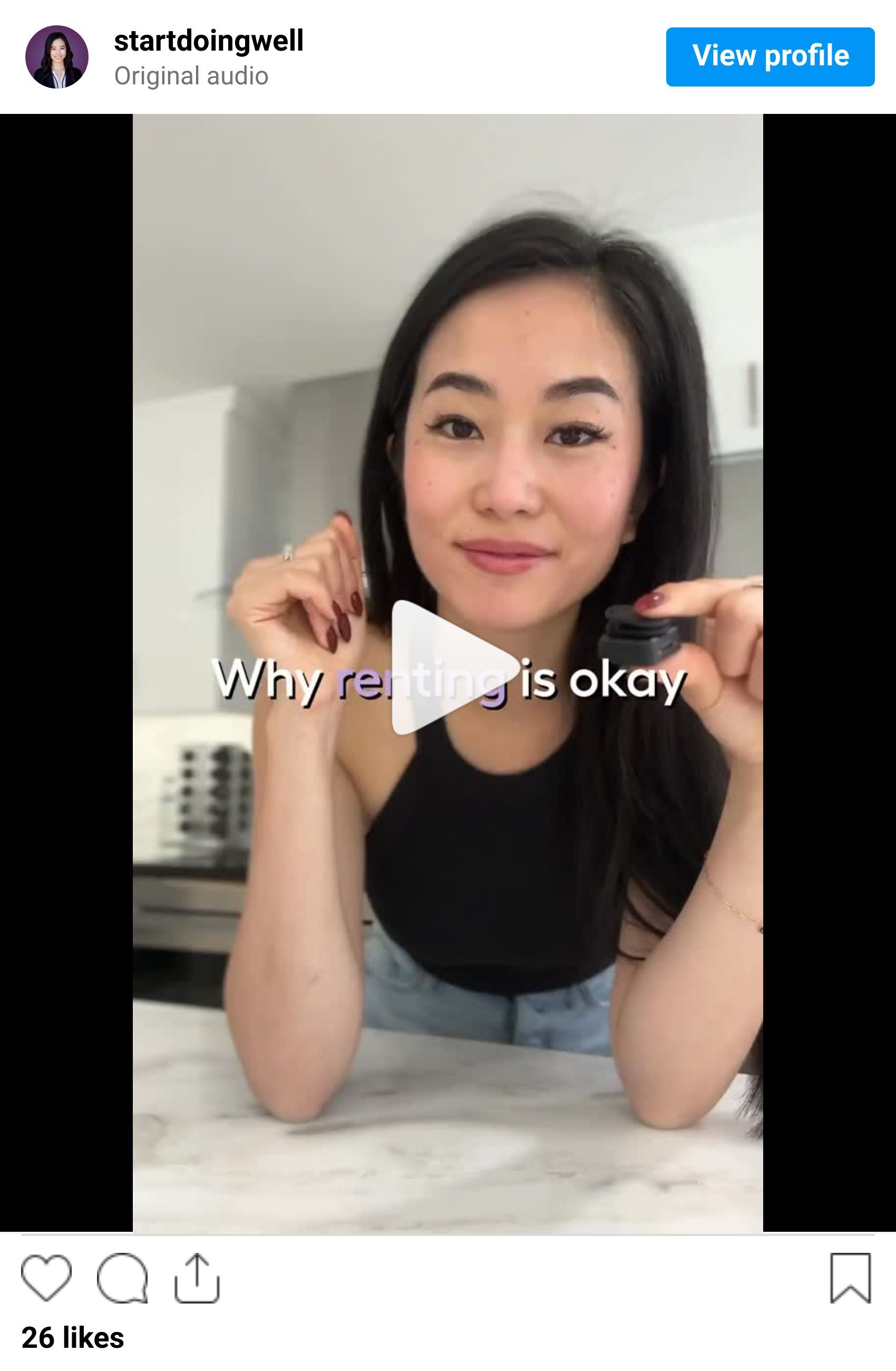
Why renting is okay
Homeownership has been sold as the “right” next step, but buying only works when the numbers and your life actually line up. In today’s market, renting can mean lower upfront costs, fewer surprise expenses, and more flexibility.
If renting lets you save, stay flexible, and breathe financially, that’s not falling behind. It’s choosing what works right now.
Worth the Click This Week
📉 Your personal inflation rate matters more than the headline number. National inflation averages don’t reflect how expensive life feels for you. This explains how personal inflation works, and why two people can experience the same economy very differently. Read it here »
💵 The U.S. savings rate is quietly telling a bigger story. Americans are saving less than they used to, and this breaks down what that actually signals and gives you context for why building savings feels harder right now. See the breakdown »
🎓 Student loan defaults are rising again. A clear look at what’s happening with student loan repayments, why defaults matter for your credit, and what borrowers should pay attention to in the coming months. Learn what to watch »
🏠 Is the 30% rule for rent still realistic? This long-standing guideline has shaped housing decisions for decades. Experts weigh in on whether it still makes sense in today’s market (and what to consider instead). See what experts think »